

Noise Cancelling Technology and Understanding Soundproofing
In the pursuit of creating acoustically optimized spaces, the terms “soundproofing” and “noise cancelling” often surface. While both concepts aim to mitigate unwanted sounds, they involve distinct approaches and technologies. We’ll explore the nuances that differentiate soundproofing and noise cancelling wall panels, shedding light on their applications and effectiveness. Contact: soundproofing specialists near me
Soundproofing primarily involves creating a physical barrier to block the transmission of sound waves. Traditional soundproofing materials include dense substances like mass-loaded vinyl, drywall, or specialized acoustic panels designed to absorb and dissipate sound energy.
The goal of soundproofing is to prevent sound from entering or leaving a space. This is particularly essential in scenarios where external noise, such as traffic or loud neighbors, needs to be kept out, or sensitive activities like recording studios require sound isolation.
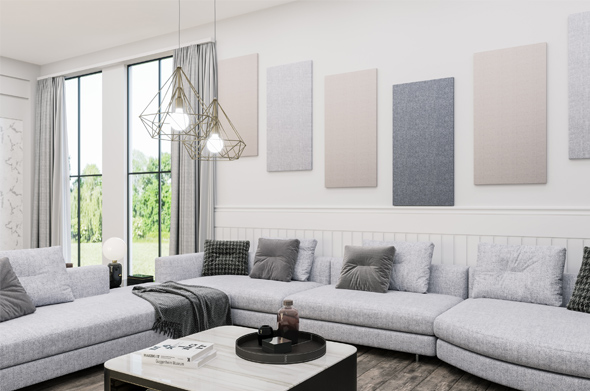
Noise cancelling technology, on the other hand, employs active sound control mechanisms to counteract unwanted noises. This is achieved through the use of microphones, processors, and speakers that generate anti-phase sound waves to cancel out incoming noise.
Noise cancelling systems continuously monitor the ambient sound and dynamically adjust their output to effectively neutralize specific frequencies. This real-time adjustment makes them particularly effective in reducing constant, low-frequency background noise.
Traditionally, soundproofing finds its application in scenarios where the primary concern is preventing the transmission of sound. This includes residential spaces, commercial buildings, and industrial settings where the focus is on creating a barrier to external noise.
Noise cancelling technology is commonly used in environments where active control of ambient noise is crucial. This includes spaces like offices, where conversations and phone calls need to be conducted without disruptions, or in transportation, where noise cancelling headphones are used to counteract the drone of engines.
Creating effective soundproofing often involves structural changes and the installation of specialized materials, making it a more complex and potentially costly process. It is a static solution that works continuously but doesn’t dynamically adapt to changes in the sound environment.
While noise cancelling technology can be integrated into walls, it typically involves a more sophisticated setup with electronic components. This can introduce higher upfront costs, but the dynamic adaptability makes it a valuable investment in spaces where real-time noise control is essential.
In some scenarios, soundproofing and noise cancelling technologies can complement each other. For instance, soundproofing measures can create a base level of isolation, while noise cancelling panels can further refine the acoustic environment by actively addressing specific frequencies.
In the realm of creating acoustically comfortable spaces, understanding the difference between soundproofing and noise cancelling is crucial. While soundproofing provides a physical barrier to sound transmission, noise cancelling actively combats unwanted noises through dynamic technological interventions. The choice between the two depends on the specific needs of the space and the desired level of control over the acoustic environment.
…